Where to stay in Budapest: best areas and tips
Content
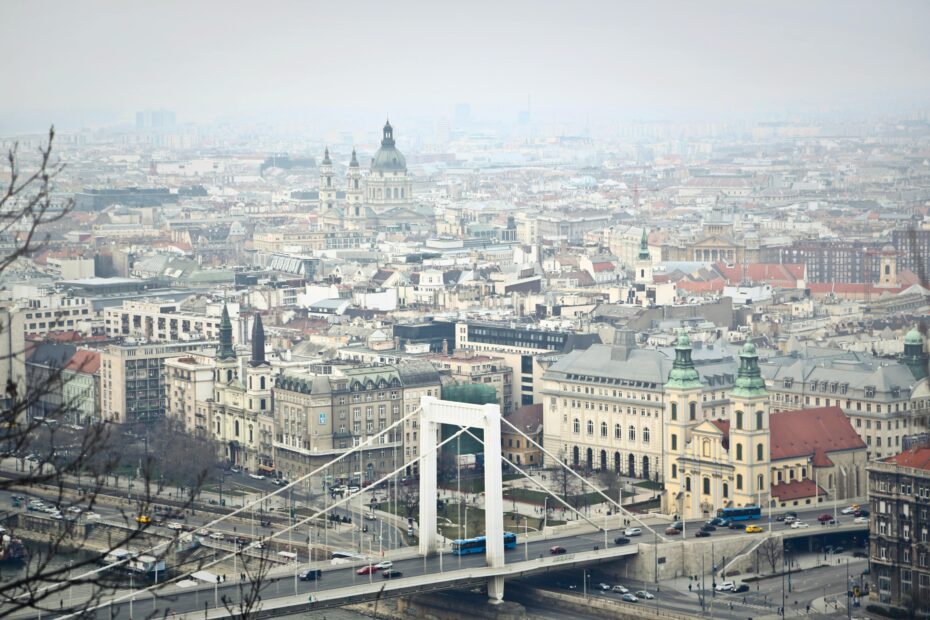
Planning a trip to Hungary’s capital and wondering where to stay in Budapest? The city is split by the Danube into two very different sides: historic, hilly Buda and lively, flat Pest. Each area has its own character, and choosing the right neighborhood can really shape your experience.
In this guide, we’ll walk you through the best locations to stay in Budapest, from the elegant boulevards of District V to the buzzing nightlife of the Jewish Quarter. We’ll also share practical tips about how many days you need in Budapest, and whether it’s better to book a hotel or an Airbnb.
No matter your travel style, you’ll find a part of the city that feels just right for you!
Best areas to stay in Budapest
Budapest is divided into 23 districts, but as a visitor you’ll only need to consider a handful of them. Each neighborhood has its own vibe — some are perfect for first-time travelers, others for nightlife lovers, and some for those who prefer a quieter, more local feel.
District V (Belváros-Lipótváros): central and walkable
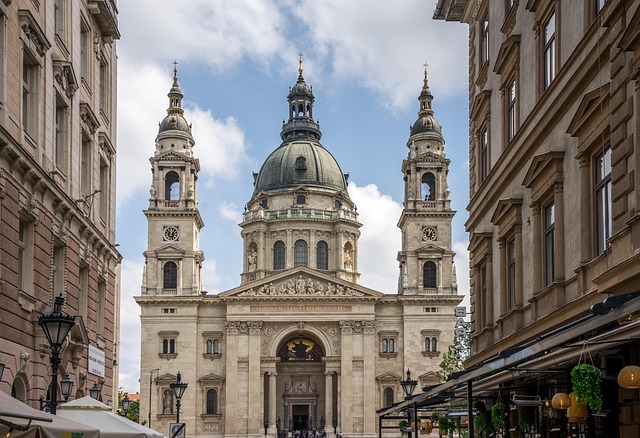
District V, on Pest side, is the heart of Budapest and the most central place you can stay. From here, you’ll be within walking distance of most of the city’s main attractions, including the Parliament, St. Stephen’s Basilica, the Danube Promenade, and the Chain Bridge.
Many travelers who stay here end up barely using public transport at all, since everything is accessible on foot.
This makes District V especially ideal if you only have a few days in Budapest and want to maximize your time without worrying about commuting. Even if you do need transport, you’ll find Deák Ferenc tér, the city’s biggest transport hub, right in the middle of the district, making it easy to reach anywhere in Budapest.
The main downside of District V is that it’s also the most expensive area in the city, with higher hotel prices and lots of tourist-oriented restaurants. Still, the unbeatable location and walkability make it a favorite for first-time visitors who want to see as much as possible in a short stay.
District I (Castle District): history and views
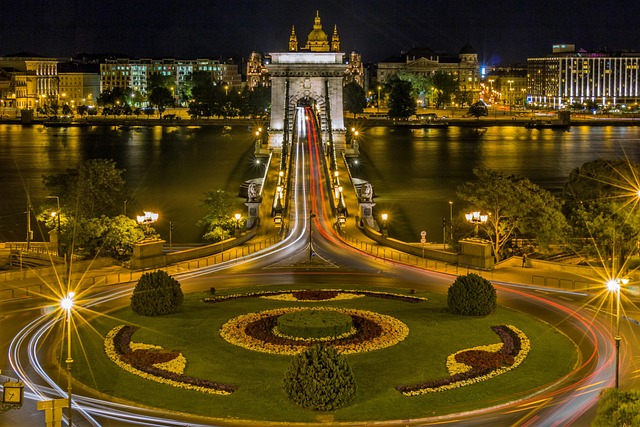
If you’d like to stay on the Buda side of the river, the Castle District (District I) is the top choice. This neighborhood is steeped in history, home to the Buda Castle, Matthias Church, and the Fisherman’s Bastion, where you’ll find some of the most beautiful views over the Danube and Pest.
The vibe here is much calmer than across the river, with cobblestone streets, old houses, and a more relaxed pace.
It’s not always possible to reach every attraction on foot from District I, but you’ll still have good transport connections. While metro options are limited on this side, there are plenty of buses and trams that make it easy to cross the river and get anywhere in the city.
The Castle District is ideal for travelers who want a quieter, more romantic atmosphere while still being close to Budapest’s main highlights. Just keep in mind that prices here can be a little higher, reflecting the location’s historic charm and incredible views.
District VI (Terézváros): shopping and culture
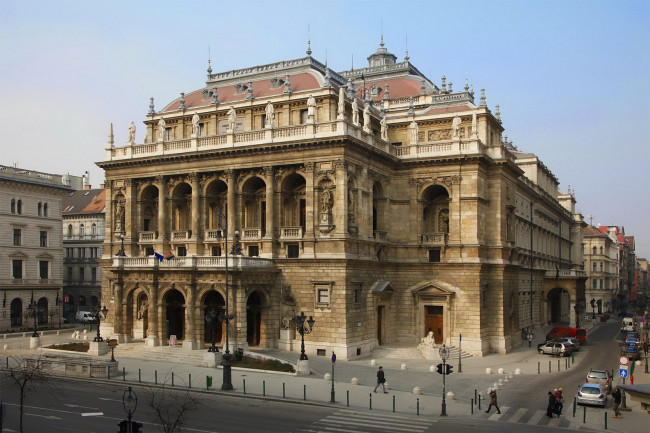
District VI, also known as Terézváros, has a slightly more residential feel compared to Districts V and VII, but it’s still very popular with visitors. This is where you’ll find some of Budapest’s most iconic landmarks, like Andrássy Avenue, the Hungarian State Opera House, and the House of Terror Museum.
It’s also a great area for shopping, with plenty of stores, malls, and boutiques along the main boulevards.
The neighborhood offers a wide range of bars, cafés, and restaurants, from casual eateries to elegant dining, so you won’t run out of options for food and nightlife.
Despite being more of a residential area, it’s still easy to communicate in English here, and you’ll find a mix of locals and tourists sharing the same streets.
District VI also has excellent public transport connections, with several metro stations, trams, and buses running through the area. It’s a great choice if you want to be close to the action but prefer a slightly calmer atmosphere than the busy streets of District V or VII.
Tip: In District VI, try to stay near the Opera or Oktogon. This area is closest to the main attractions along Andrássy Avenue and has the best public transport connections.
District VII (Jewish Quarter): nightlife and ruin bars
If you’re looking for nightlife, food, and a buzzing atmosphere, the Jewish Quarter in District VII is the place to be. This is the neighborhood of Budapest’s famous ruin bars, led by Szimpla Kert, as well as countless cafés, street food stalls, and trendy restaurants. It’s also home to the Great Synagogue, one of the largest in the world, making it a mix of culture by day and parties by night.
District VII borders District V, so depending on where you stay, you may still be able to reach most attractions on foot. And if you need to venture further, the neighborhood is also well connected by metro, trams, and buses.
The main downside is the noise, because the streets stay lively late into the night. If you’re a light sleeper, it’s best to choose a room with soundproof windows or one facing an internal courtyard, which is very common in Budapest buildings.
Tip: If you choose District VII, look for accommodation between Erzsébet körút and Károly körút. This area puts you closer to the attractions you’ll likely visit and gives you better access to public transport.
District VIII (Józsefváros): residential but central enough
District VIII, also known as Józsefváros, is mostly a residential area, but parts of it close to the center can be a good option for tourists. Staying here means you’ll be outside the busiest tourist zones while still within walking distance of some attractions and with excellent access to public transport (and Budapest’s transport system is truly one of the best things about the city).
Prices for accommodation here tend to be lower than in Districts V or VI, so it can be a smart choice if you’re traveling on a budget but still want to stay central.
Tip: For the best experience, choose a place between Blaha Lujza tér and Astoria. Beyond Blaha, as you move further from the center, the neighborhood becomes less appealing for visitors.
District IX (Ferencváros): up-and-coming and trendy
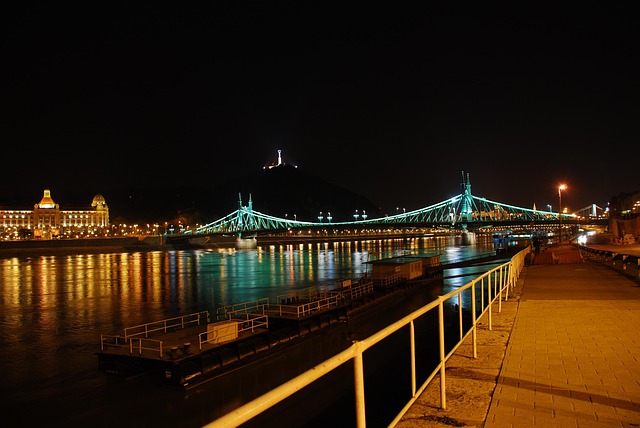
District IX, also called Ferencváros, has been rapidly transforming into one of Budapest’s trendiest neighborhoods. The neighborhood is full of cafés, bars, and cultural spaces.
The Great Market Hall sits at the edge of the district, making it a foodie hotspot, while the riverside promenade is home to modern landmarks like the Bálna cultural center and the green open space of Nehru Part, a favorite hangout spot for locals.
Ferencváros is popular with younger travelers, students, and digital nomads, thanks to its lively vibe and more affordable apartments. It’s also home to the Ludwig Museum of Contemporary Art and the National Theatre, adding a strong cultural edge to the district.
Public transport is excellent, so you can be in the city center within minutes. If you want a balance between local life, modern culture, and quick access to Pest’s highlights, District IX is a fantastic choice.
Tip: District IX is quite large, so location makes a big difference. For convenience, stay closer to the Great Market Hall, where you’ll be near the river and central Pest. Another good option is around the tram 4–6 line, which is very well connected and runs 24/7.
District XIII (Újlipótváros & Margaret Island): local and family-friendly
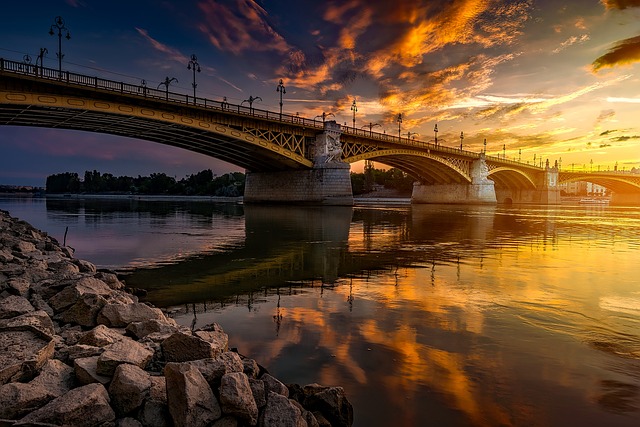
For a quieter and more local experience, head to District XIII, particularly the Újlipótváros area near Margaret Island. This neighborhood has a strong residential feel, with tree-lined streets, cafés, small shops, and a slower pace compared to the tourist-heavy districts. It’s a great choice for families, long-term stays, or travelers who want to see a more authentic side of Budapest.
One of the highlights here is Margaret Island (Margitsziget), a green oasis in the middle of the Danube. Perfect for walking, biking, or just relaxing by the fountains, it’s a favorite escape for locals and visitors alike.
District XIII also has excellent public transport connections, making it easy to reach the center quickly by metro, tram, or bus. With plenty of shops and services around, it’s a comfortable base for those who want convenience without the constant buzz of the city center.
Tip: District XIII is very large, and some parts are more convenient for visitors. It’s best to stay near Szent István körút, close to Margaret Bridge, where you’ll still be well connected and within easy reach of the center.
How to choose the best area for you
Each district has its own personality, so the right choice depends on your travel style. Here are some quick tips to help you decide:
- If you want to be within walking distance of all the main attractions: stay in District V (Belváros-Lipótváros);
- If nightlife and food are your priorities: pick District VII (Jewish Quarter), right by the ruin bars and street food stalls;
- If you’re into culture and shopping: go for District VI (Terézváros), home to Andrássy Avenue, the Opera, and plenty of boutiques;
- If you prefer history and views: choose District I (Castle District) for cobblestones, Buda Castle, and a quieter vibe;
- If you want a family-friendly, local experience: District XIII near Margaret Island offers green spaces and a residential feel;
- If you like trendy, up-and-coming neighborhoods: District IX (Ferencváros) combines local life with cool cafés, cultural venues, and the riverside;
- If you want to save money but still get around easily: Districts IX or XIII are both budget-friendly while offering excellent public transport connections to the city center.
Hotel vs Airbnb: which is better?
When deciding where to stay in Budapest, one of the main questions is whether to book a hotel or an Airbnb. Both have their pros and cons:
- Hotels offer convenience, 24/7 reception, included breakfast, and easy booking — perfect for first-time visitors who want a stress-free stay;
- Airbnb/apartments can be great for families, long-term stays, or anyone who wants to cook at home and experience a more local vibe.
However, it’s important to be aware of regulations: in District VI (Terézváros), Airbnbs will be banned starting January 2026.
There’s just one thing to keep in mind: in District VI (Terézváros), locals voted in 2024 to restrict short-term rentals, and as a result Airbnbs will be banned there starting January 2026. For now, this only applies to one district, but it shows that regulations around apartments are getting tighter in Budapest — and more neighborhoods could follow in the future.
So, if you’re leaning towards Airbnb, make sure to double-check the rules for the district you’re booking.
For short stays, hotels are often the easiest and most reliable choice, while apartments remain a good option for longer visits — as long as you pick the right neighborhood.
How many days do you need in Budapest?
A common question for first-time visitors is exactly how many days you need in Budapest to see the city properly. The answer depends on your pace, but here’s a good rule of thumb:
- 2 days are enough to see the highlights of both Buda and Pest, but expect a busy schedule. You’ll need to prioritize top sights like Buda Castle, the Parliament, St. Stephen’s Basilica, and maybe a ruin bar in the evening. Thermal baths usually require more time, so it’s best to save them for a longer stay;
- 3 days is the sweet spot — giving you time to see all the essentials without feeling too rushed, plus enjoy a relaxed evening out;
- 4–5 days let you dive deeper: visit museums, explore cafés and restaurants, discover less touristy neighborhoods, and even take a day trip to places like Szentendre or Lake Balaton.
Budapest is compact and well-connected by public transport, so you can cover a lot in a short time. But if you want to enjoy the city at a comfortable pace, three or more days are ideal!
Practical tips for Booking
If you’re still unsure about where to stay, here are some simple rules that can make your choice easier:
- The closer to Deák Ferenc tér, the better: this is Budapest’s main transport hub, and staying nearby means you’ll always be well connected and within walking distance of the city’s highlights;
- Book early in peak season: summer and the Christmas markets are the busiest times of year, so reserve accommodation well in advance to get the best rates and locations;
- Check the transport connections: even if you’re not near Deák, make sure your hotel or apartment is close to a metro or tram stop — it makes getting around much easier;
- Pick Pest for convenience, Buda for calm: Pest is lively, central, and full of things to do, while Buda is quieter and more scenic. Choose based on your style;
- Think about your budget: staying a little further out, like in District IX or XIII, can save money while still keeping you close to reliable public transport;
- Night owls, stay near tram 4–6: this line runs 24/7 across key parts of the city, so you’ll always have an easy way back after a night out.
Choosing where to stay in Budapest depends on your style — from the historic charm of Buda’s Castle District to the lively nightlife of the Jewish Quarter, or the central convenience of District V. The good news is that Budapest has options for every traveler, whether you want luxury, local vibes, or budget-friendly comfort.
Now that you know the best locations to stay in Budapest, it’s time to plan what to do once you’re here. Don’t miss our guide to the must see and do in Budapest for the top attractions and experiences in Hungary’s vibrant capital!